March 24, 2026, 11:00 a.m. ET
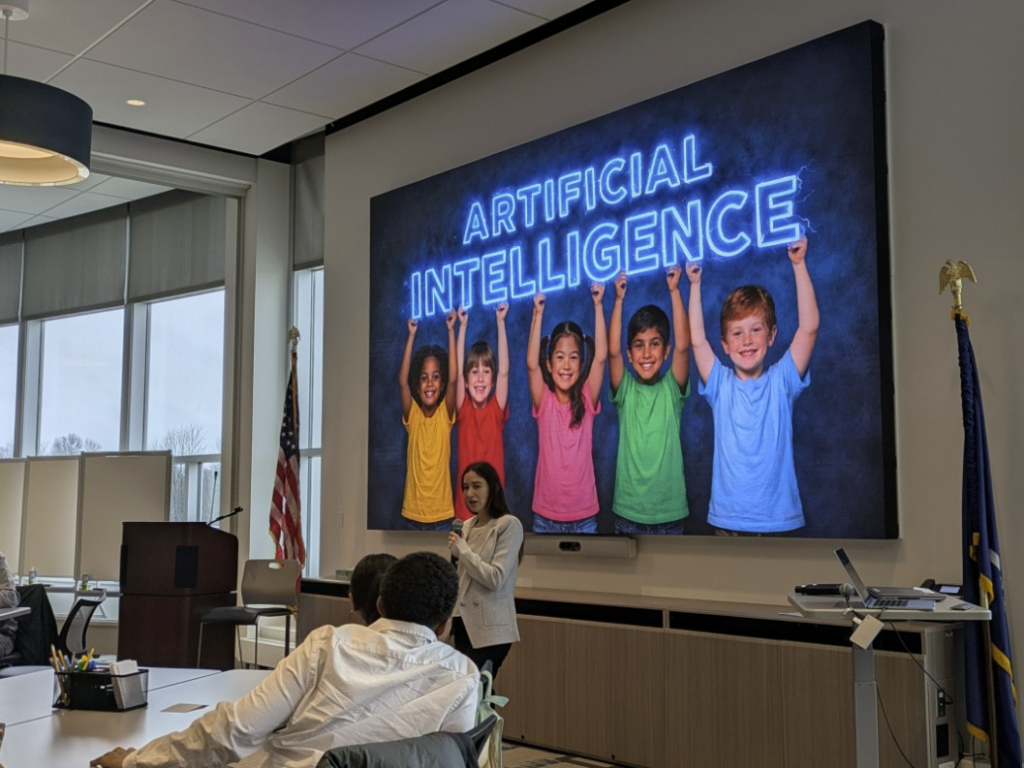
Olivet Academy participated in a day-long conference on artificial intelligence in K–12 education, gaining insight into how AI tools can support student learning and help achieve educational goals.
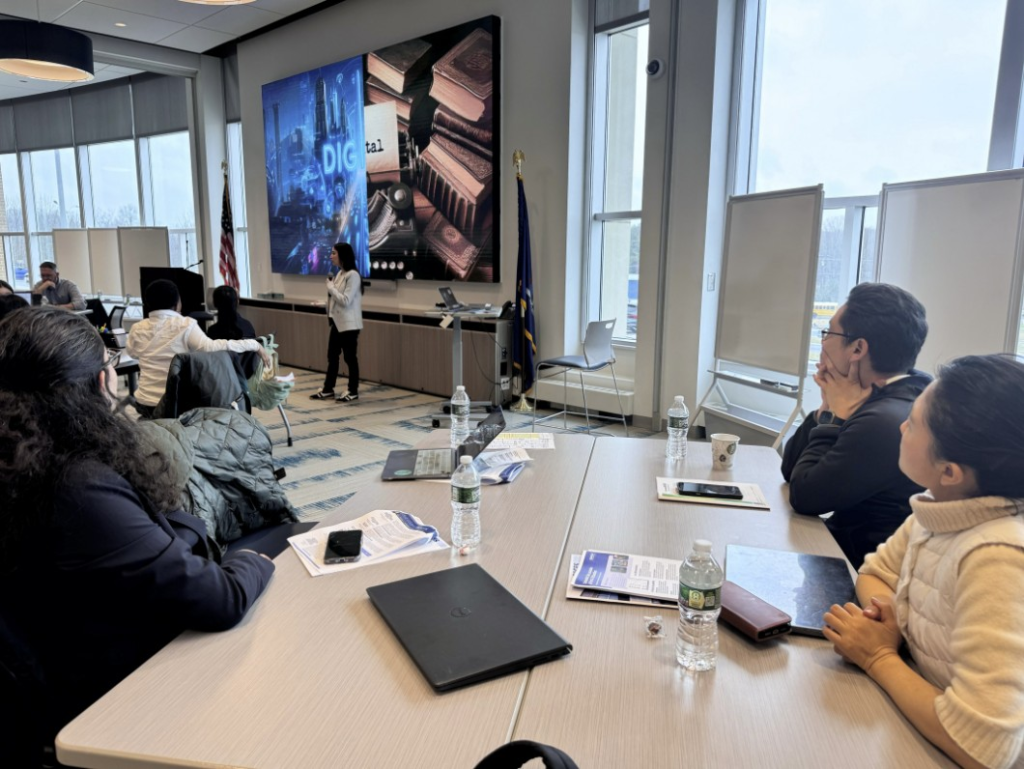
The conference, titled “Leading Learning in an Intelligent World,” was held in Poughkeepsie, New York, at Dutchess BOCES, a regional collaboration of thirteen school districts. Olivet Academy participants included Principal and some directors who joined educators from nearby districts for this learning opportunity.
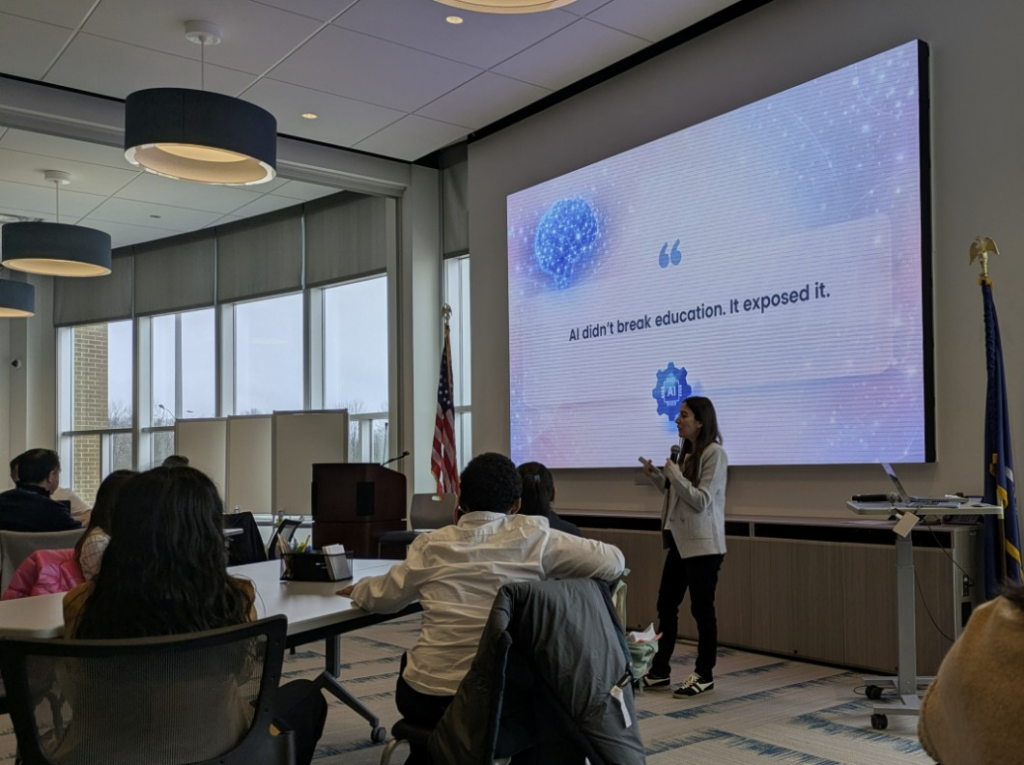
The event featured two keynote sessions along with a wide range of breakout sessions, allowing participants to explore topics aligned with their interests. Across the conference, a central theme emerged: the thoughtful and purposeful integration of AI in education.
The morning keynote emphasized the importance of teachers understanding both their purpose and their students when implementing technology. Rather than using AI broadly, educators were encouraged to identify specific moments in learning—such as when students struggle, disengage, or need alternative ways to express understanding—where AI tools can provide meaningful support. The session also highlighted the importance of using AI to promote deeper thinking, rather than allowing it to become a shortcut for learning.
The afternoon keynote featured student voices, offering perspectives on growth, learning, and the evolving role of education. Students shared how the learning process shapes identity, how schools can better engage and empower learners, and how young people can use their voices to create meaningful change within their communities.
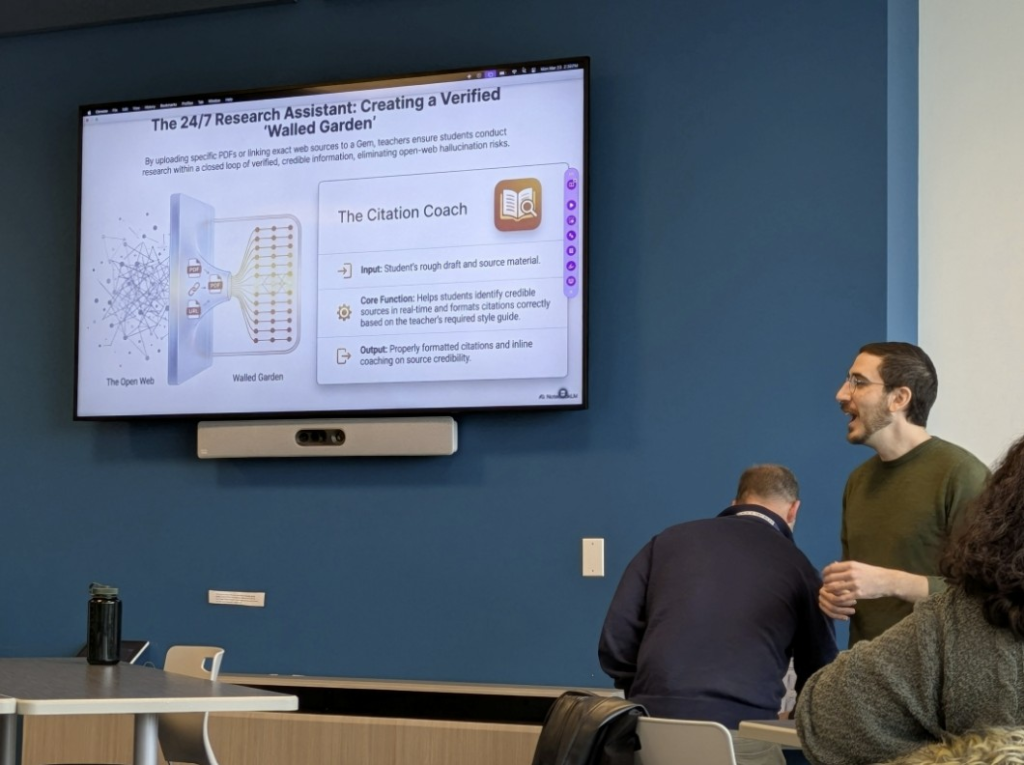
Breakout sessions throughout the day introduced a variety of AI platforms and tools, including MagicSchool, SchoolAI, mote, NotebookLM, Perplexity AI, and Curriculum Genie. Sessions explored practical applications such as using AI to support English Language Learners, designing more effective lessons, and leveraging chatbots as tools for critical thinking and student agency. Discussions also addressed the responsible use of AI in schools and the importance of maintaining ethical and educational integrity.
A key takeaway from the conference was the role of AI in personalizing and differentiating instruction. AI tools can help present concepts in multiple ways, allowing students with different learning needs to better access and understand material. For example, tools can quickly generate visual aids, interactive content, and customized resources that would traditionally require significant preparation time from teachers.
At the same time, the conference emphasized that AI should not replace student thinking, but rather support it. Educators are called to guide students in using these tools wisely—encouraging critical thinking, creativity, and independence. As AI becomes more integrated into education, the responsibility of teachers extends beyond instruction to mentoring students in discernment and responsible decision-making.
They returned from the conference with a renewed vision for integrating technology in a way that enhances learning while remaining aligned with the school’s mission.
Please join us in praying that the staff who participated in this conference will be led by wisdom and discernment as they apply what they have learned, continuing to advance Olivet Academy’s mission of raising Christian leaders for God’s glory.